Introduction
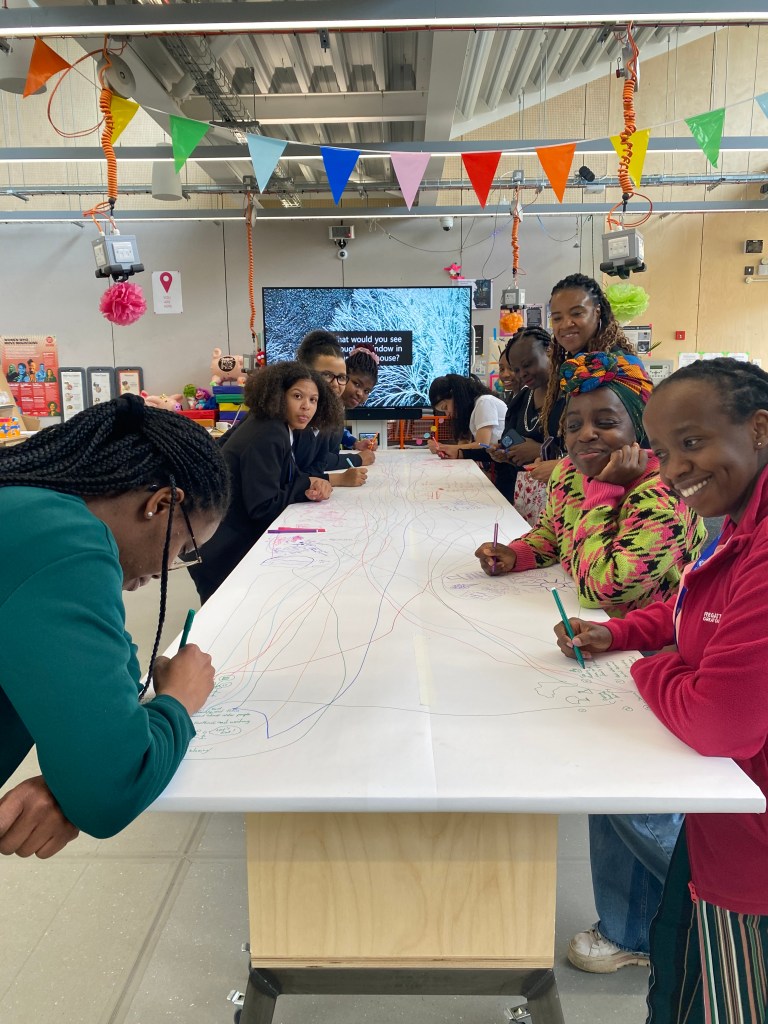
Black representation plays a crucial role in shaping the education experience and outcomes of Black youth throughout the Diaspora. This research project aims to investigate how under-representation or lack of representation can be mitigated to foster educational belonging and spaces of social change, offering both Black specificity and insights into the broader implications for diversity, equity and inclusion in educational spaces.
Our approaches are evidence-based and closely aligned with the most recent parliamentary recommendations on equality of access and outcomes in higher education in England emphasising the importance of beginning this work in schools and in close partnership between institutions of higher education and schools [1].
Belonging is a core human need that includes feelings of inclusion, respect, acceptance and legitimacy within a setting [2]. In an educational context, belonging is central to educational success [3-5] and active promotion of belonging is particularly important for groups that historically have faced marginalization, prejudice and discrimination [4-8]. In the UK we see various manifestations of education inequity for Black pupils and students such as tracking biases, awarding gaps, misuse of punishment and distancing of parental input [9-11]. To achieve educational justice, measures of belonging should be amongst our key measures of educational success of young people across the education pipeline [12].
When individuals see themselves represented, this promotes a sense of belonging [6, 13]. Indeed, experimental evidence highlights representation during school years as a causal factor driving short and long-term outcomes for Black pupils, including attainment and continuation during post-secondary education [6]. The mechanisms behind this effect are likely multi-fold, but “role modelling” has been suggested as one of these [6]. In the simplest sense, role modelling draws on systems of social facilitation and imitation [14], but can also be thought of more broadly as sources of information to guide expectations for an individual’s own outcomes, based on perception of opportunity [14-16]. Lack of teacher and other representation (in 2024/25 only 1.03%, secondary school teachers in SW UK were Black [17]), can thus have severe consequences for sense of educational and discipline belonging [18].
The B-HUGs approach is to implement interventions that increase access to and accessibility of Black role models to counter the detrimental effects on belonging stemming from a lack of representation and historical marginalization [19-21]. We focus on engagement of Black secondary school pupils to create spaces of belonging through representation augmentation and opportunities for skills development and critical consciousness raising. Our work builds on previous research showing that out-of-classroom interventions can effectively enhance feelings of belonging and, for Black students in particular who are subject to the highest rates of racism, including in Devon schools, create safe spaces that support well-being and community building [22-27]. Our work also aims to support institutional change for inclusive and equitable practice and policy [28-30].


Methodology
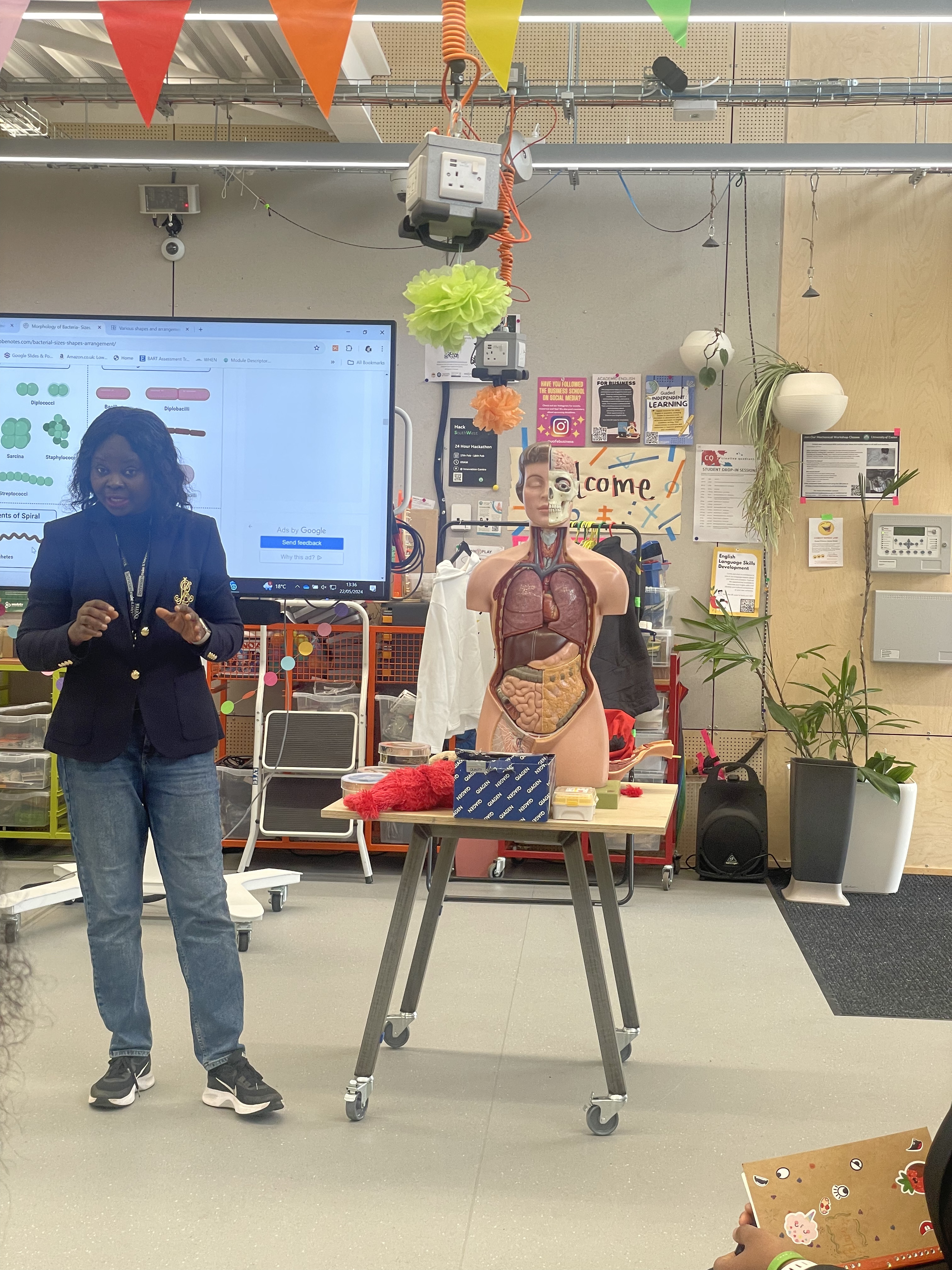
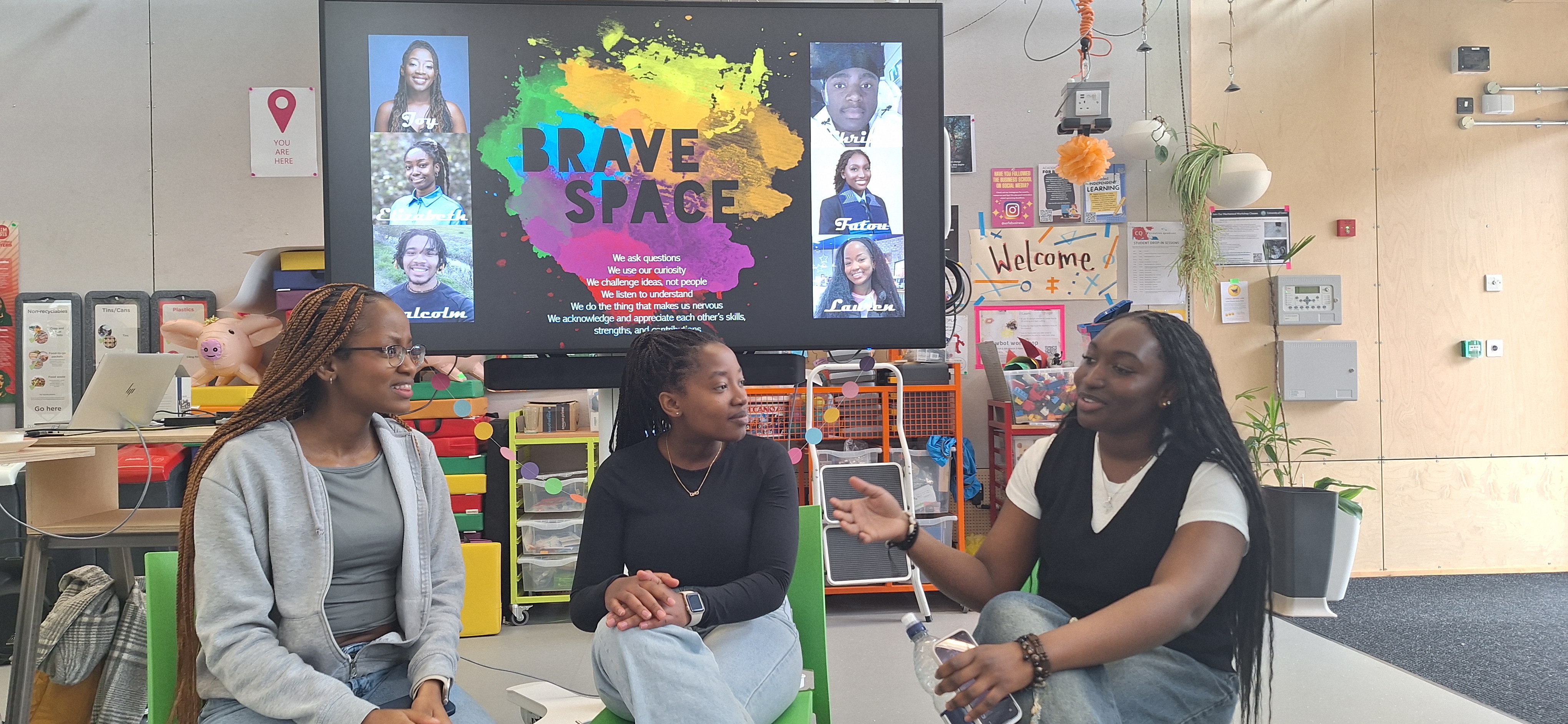
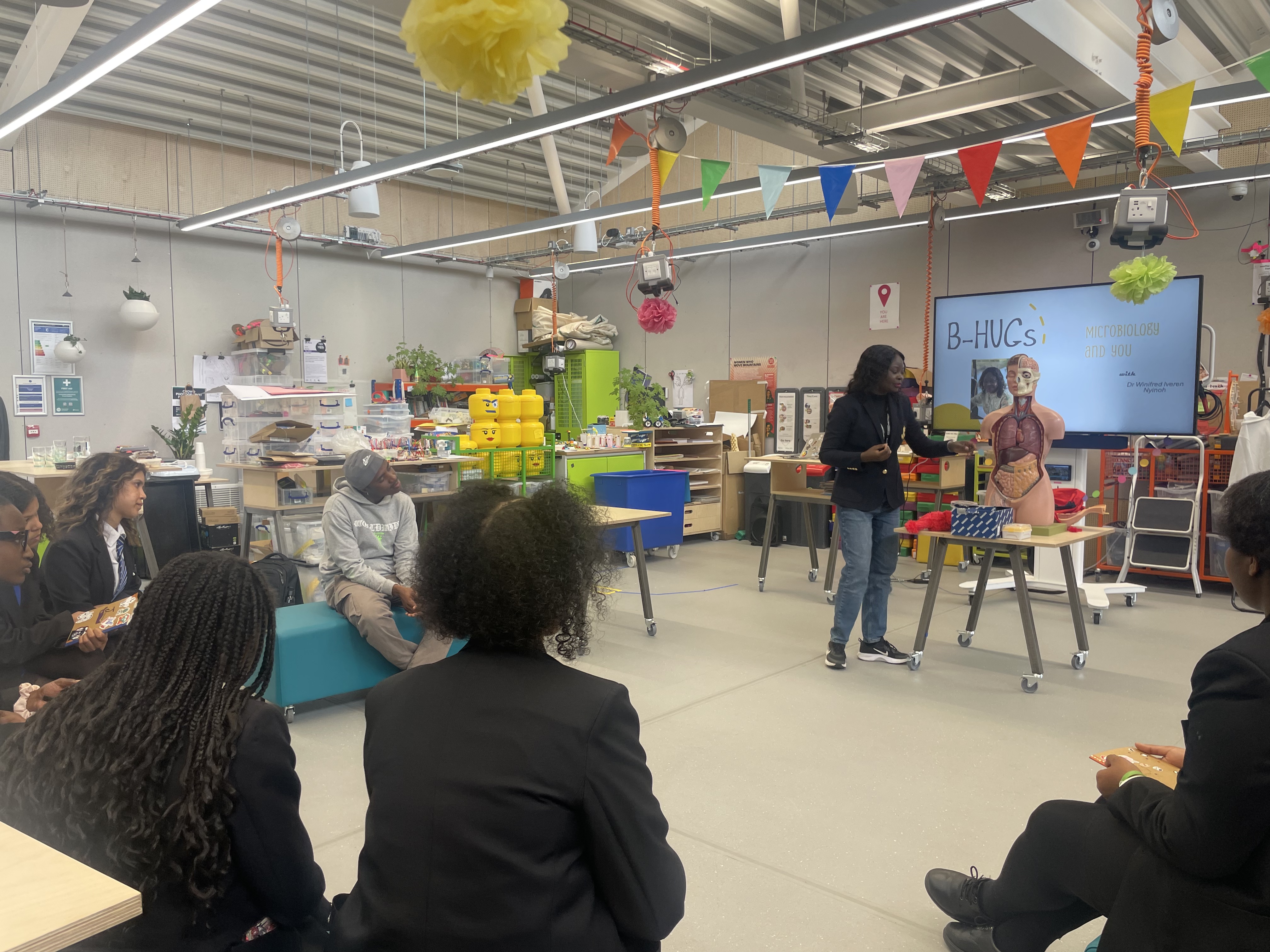
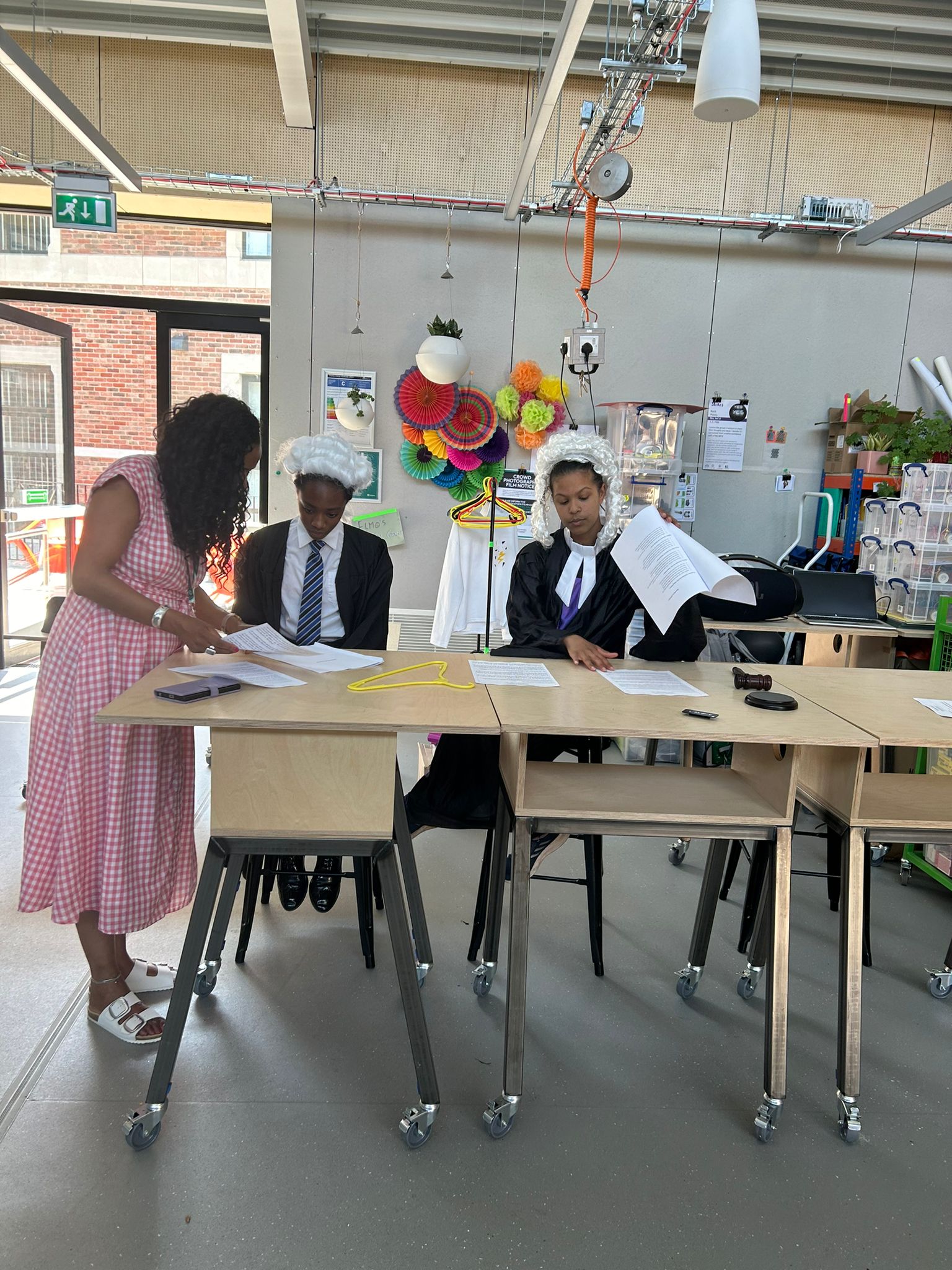
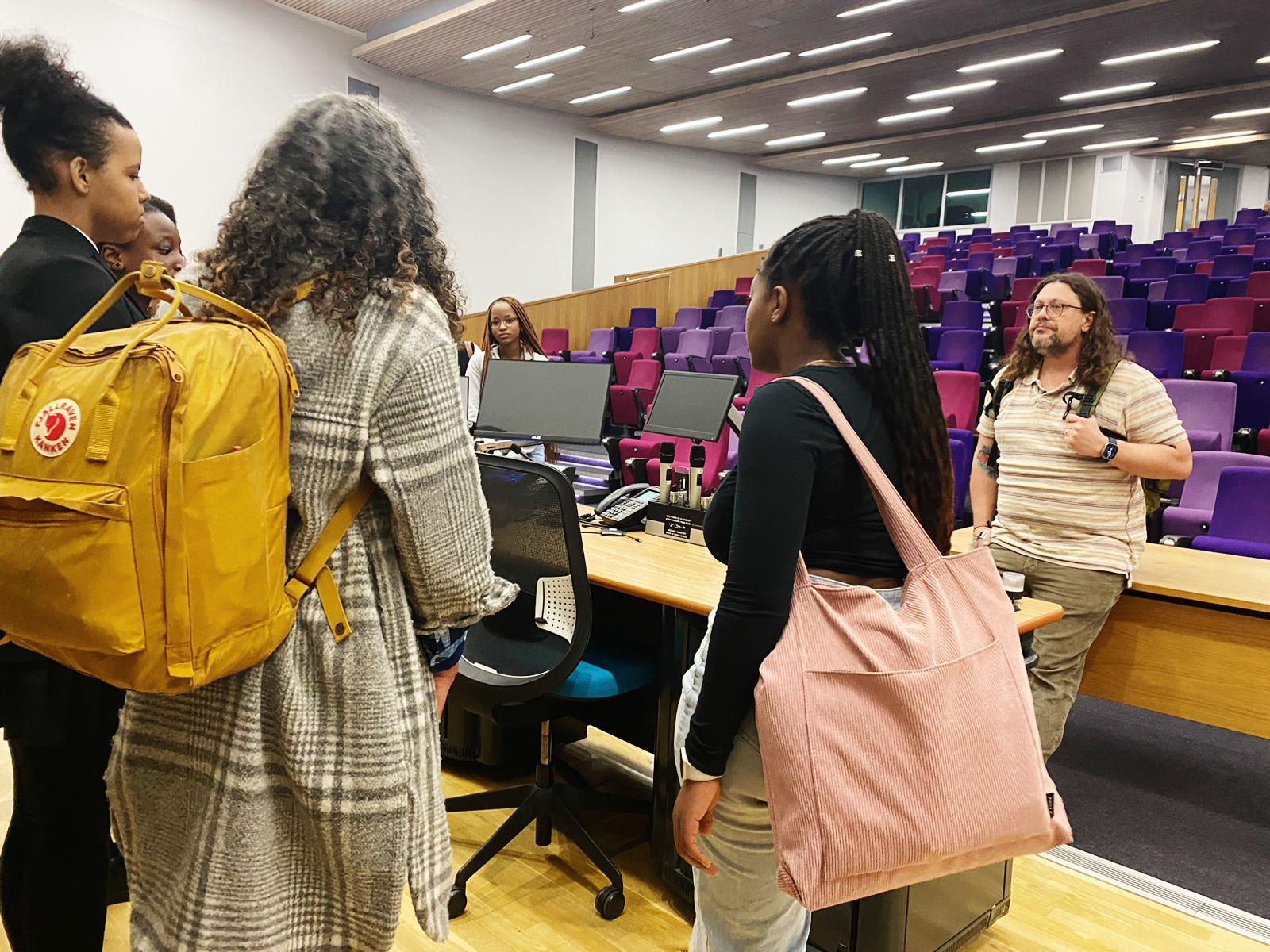
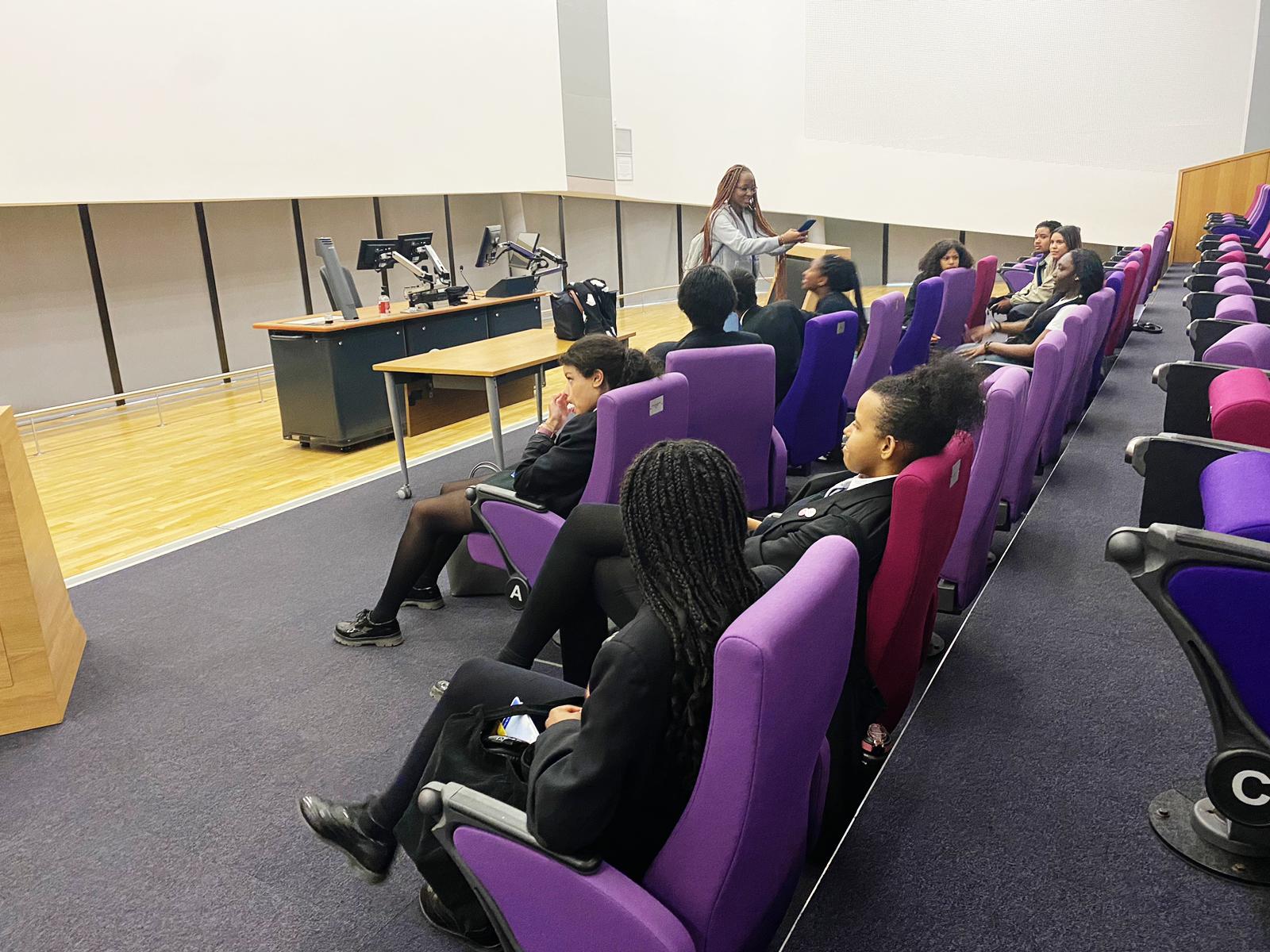
To comprehensively assess the effects of our interventions, this research employs a structured approach involving a diversity of activities that have sprung from our inaugural programme of weekly sessions hosted by university academics of Black heritage committed to change (our so-called ‘Jegnoch’, ‘Jegna’ singular). These sessions focused on the respective fields of expertise each Jegna, aiming to provide opportunities to connect with educators and researchers from a diversity of fields and backgrounds.
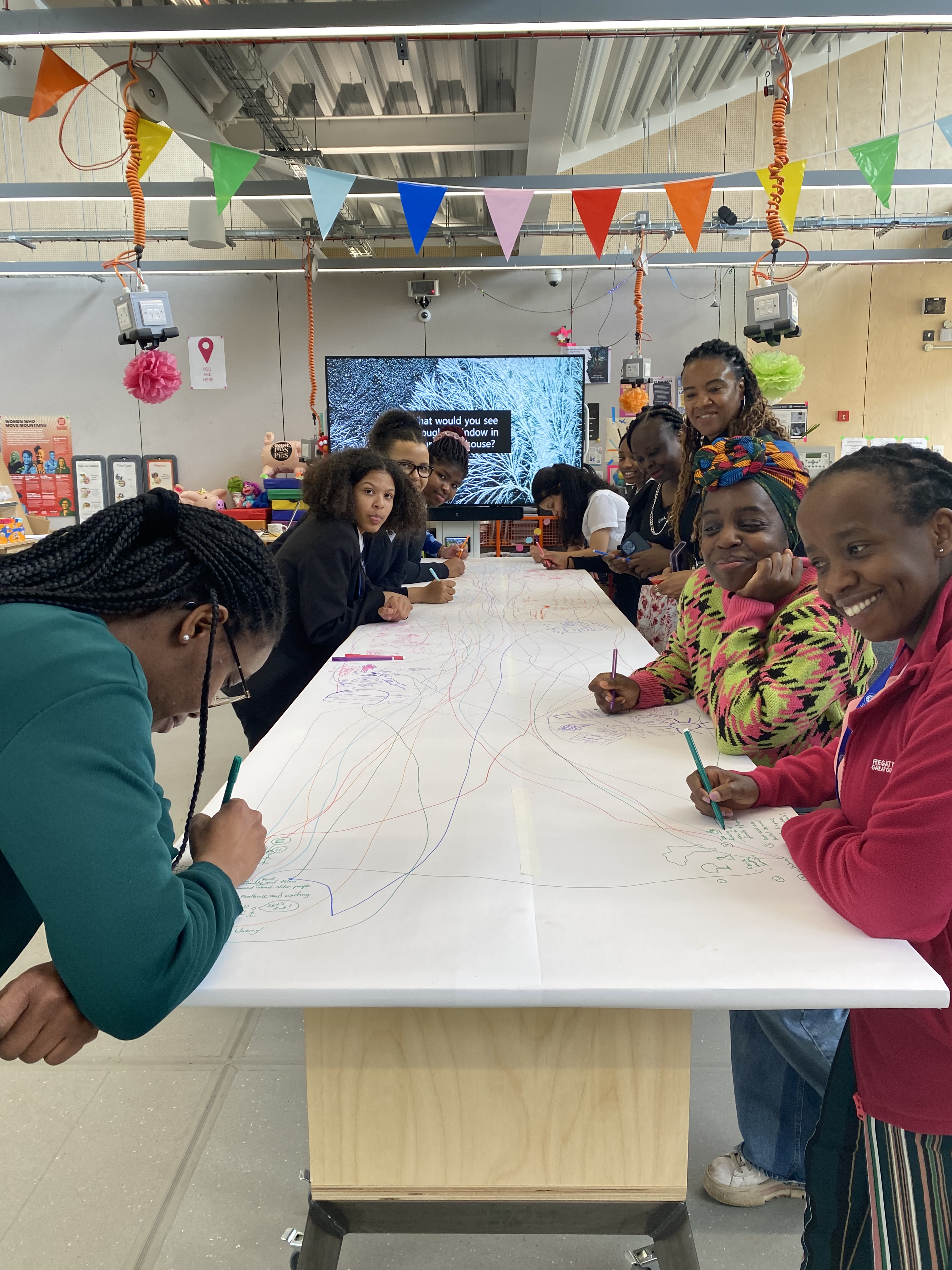
In all of our initiatives, students participate in reflective discussions, sometimes in the form of peer interviews and other times through creative media such as podcasts, poetry and film. These reflective discussions are captured as qualitative data emerging from the students’ conversations and valuable insights into how our activities influence students’ interests, academic expectations, and sense of belonging.
This approach allows for a deep, nuanced understanding of the multifaceted impact that our interventions have on experiences and outcomes of Black youth and on fostering action for social change.
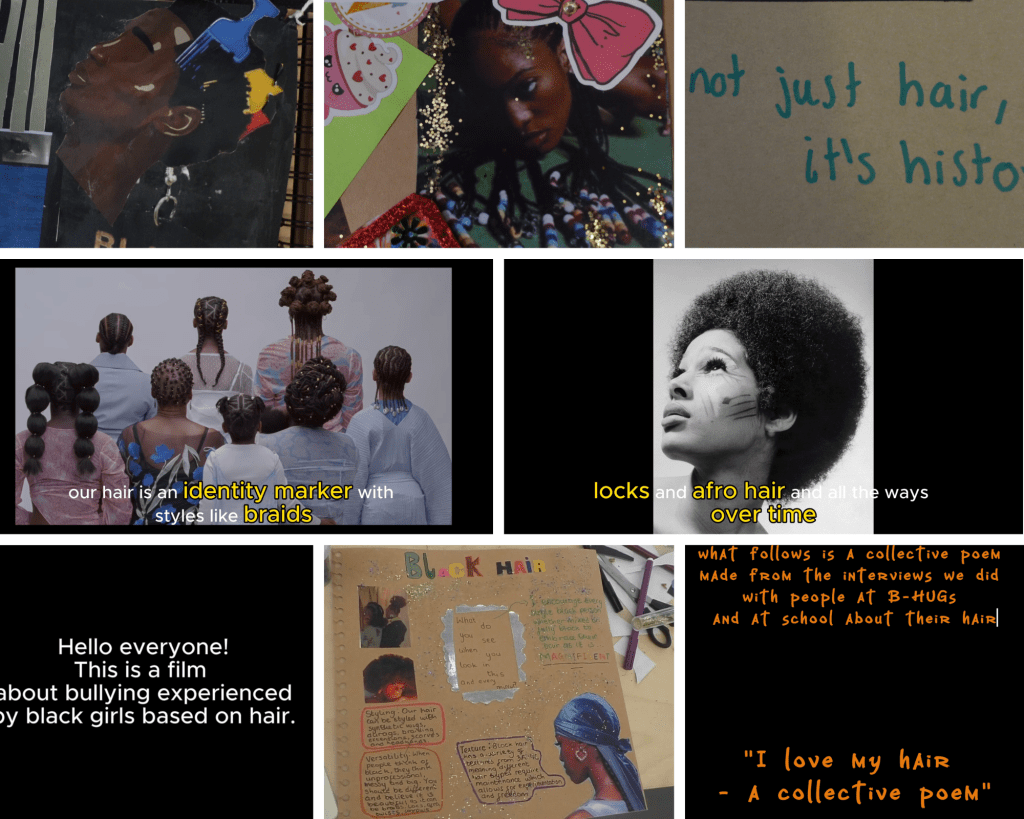
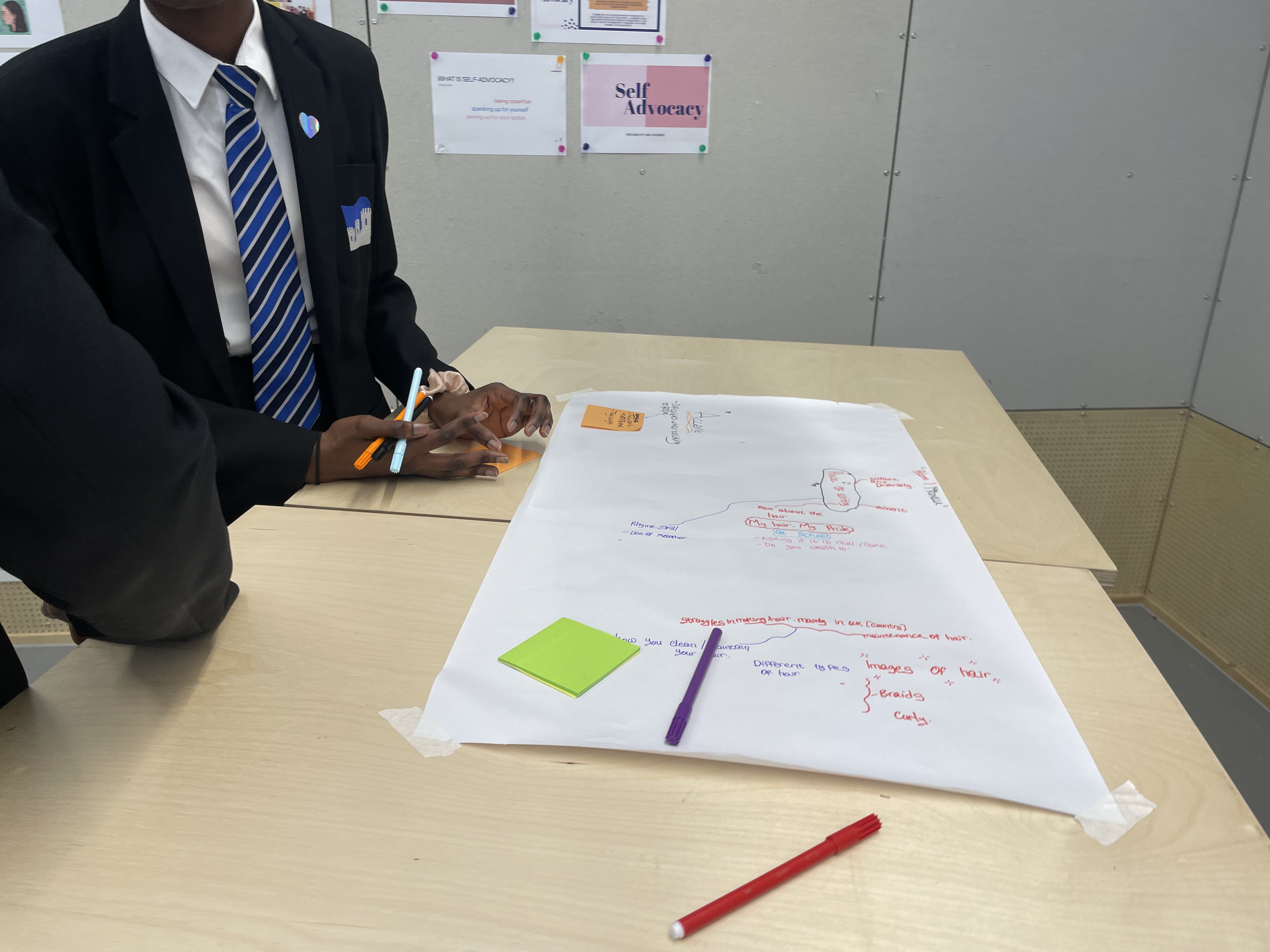
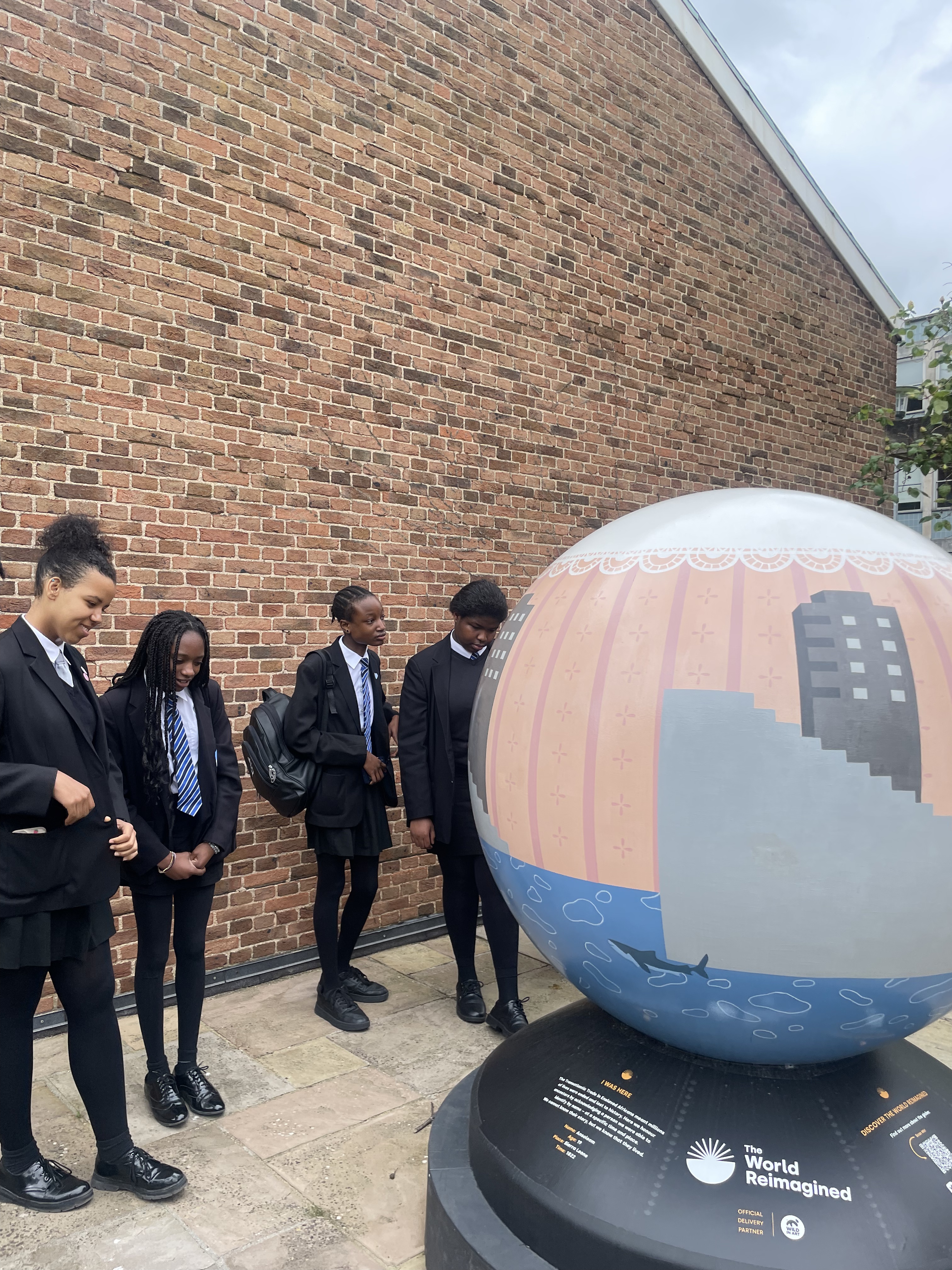
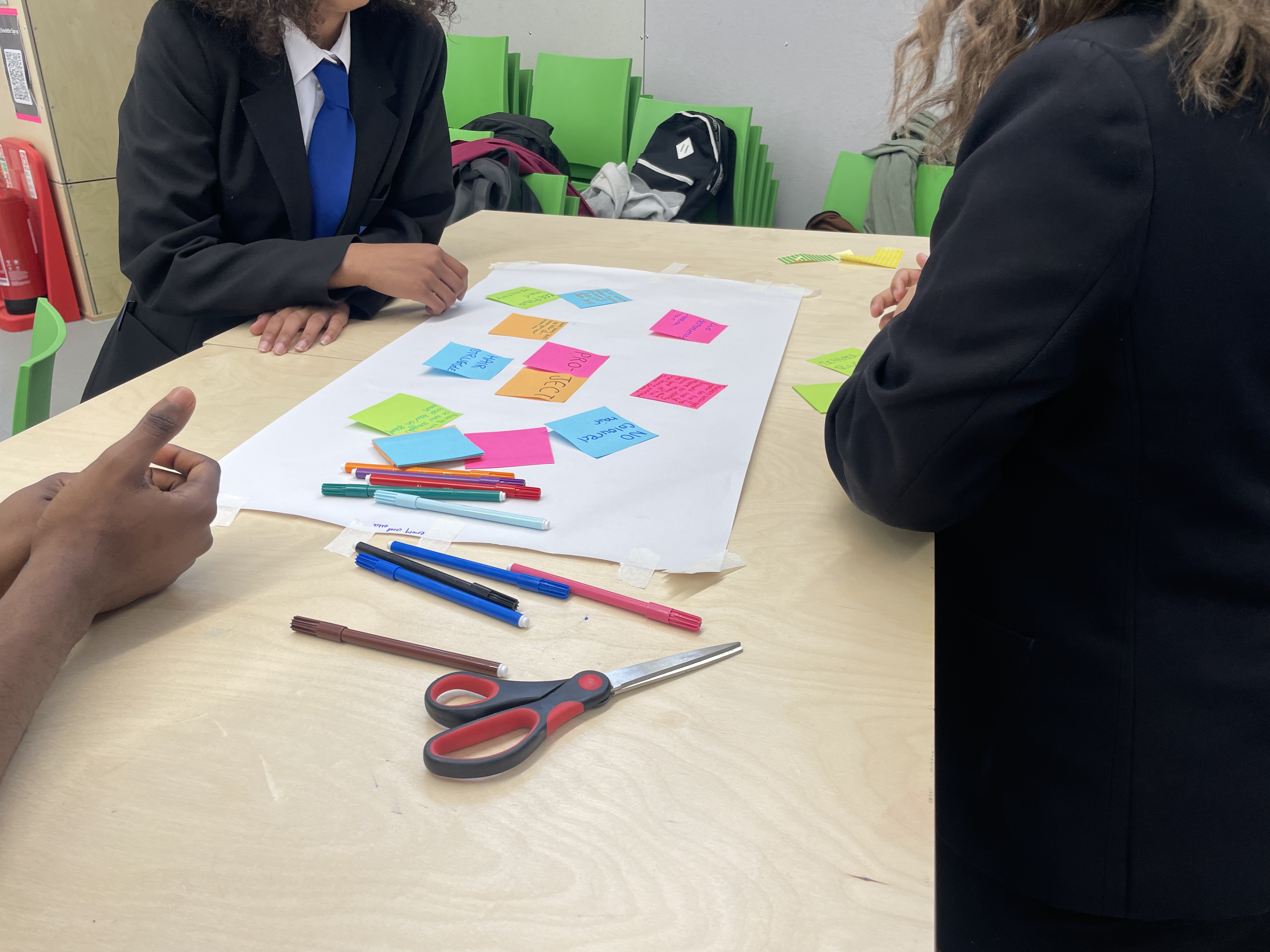
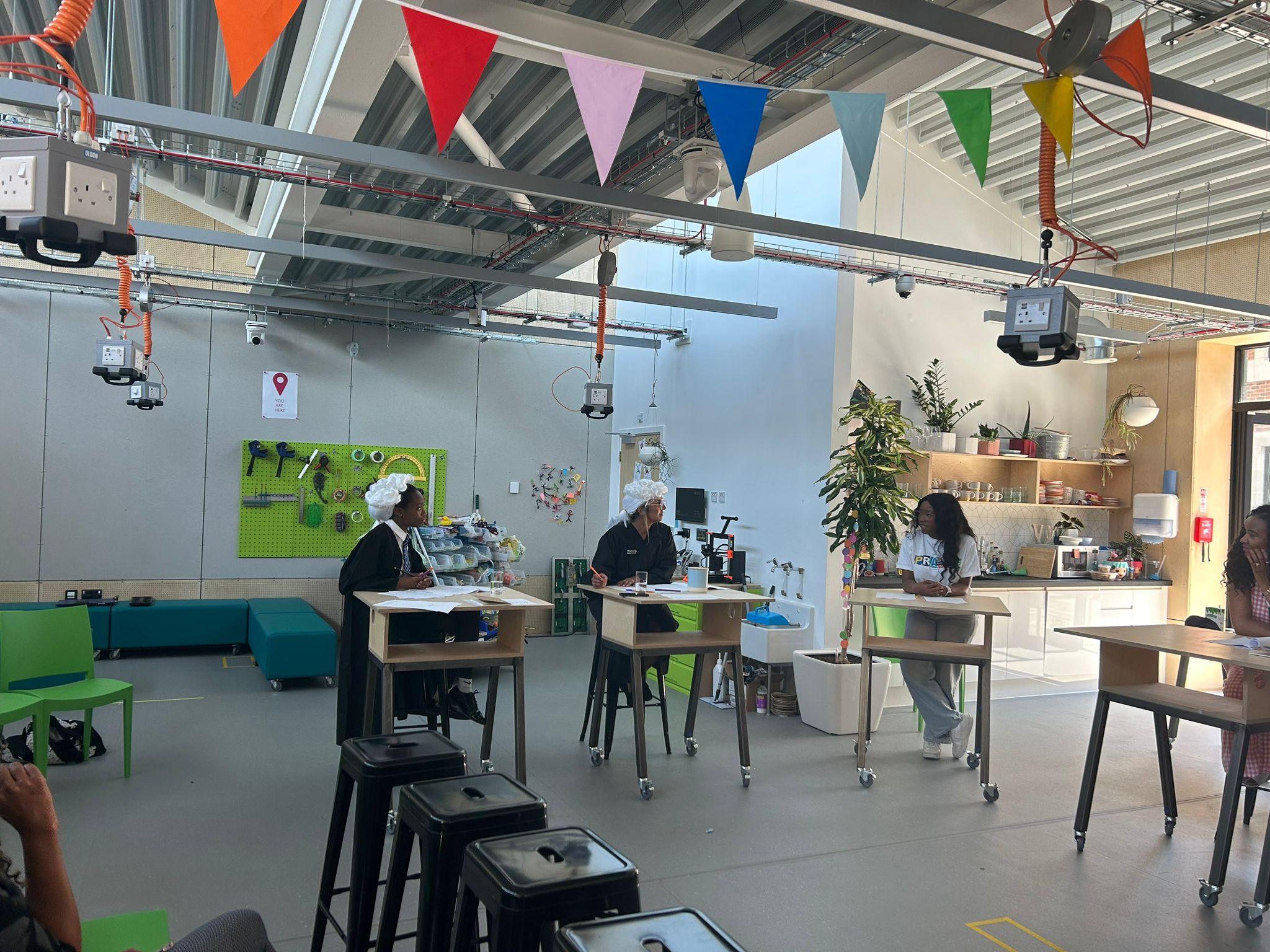
Above Figure: We draw heavily on creative engagement in our methods. These are illustrative images and screen grabs of creative outputs that involve a focus on hair produced by young people on our programmes. Top row: detail of scrapbook entries from three different groups of secondary school students on one of our on-campus intervention programmes. Middle row: screen grabs from a 6.5-minute film produced by a young person that showcased interviews about Black history from Black students and scholars in Exeter. Bottom row: first image is a screen grab from a 7-minute film created by a group of 6 students (including script writing, filming, acting and cast interviews); middle image is of a scrapbook page from a group of 5 students who interviewed school peers at their respective schools and Jegnoch on one of our intervention programmes that then featured in a collective poem with a video of their process (third image).
1. Bolton, P. and J. Lewis, Equality of access and outcomes in higher education in England. 2005, House of Commons Library.
2. Baumeister, R.F. and M.R. Leary, The need to belong: Desire for interpersonal attachments as a fundamental human motivation. Psychological Bulletin, 1995. 117(3): p. 497-529.
3. Korpershoek, H., et al., The relationships between school belonging and students’ motivational, social-emotional, behavioural, and academic outcomes in secondary education: A meta-analytic review. Research papers in education, 2020. 35(6): p. 641-680.
4. Song, S., M.J. Martin, and Z. Wang, School belonging mediates the longitudinal effects of racial/ethnic identity on academic achievement and emotional well-being among Black and Latinx adolescents. Journal of School Psychology, 2024. 106: p. 101330.
5. Murphy, M.C. and S. Zirkel, Race and Belonging in School: How Anticipated and Experienced Belonging Affect Choice, Persistence, and Performance. Teachers College Record, 2015. 117(12): p. 1-40.
6. Gershenson, S., et al., The long-run impacts of same-race teachers. American Economic Journal: Economic Policy, 2022. 14(4): p. 300-342.
7. Joseph-Salisbury, R., Race and racism in English secondary schools. Runnymede Perspectives, 2020.
8. Dortch, D. and C. and Patel, Black Undergraduate Women and Their Sense of Belonging in STEM at Predominantly White Institutions. NASPA Journal About Women in Higher Education, 2017. 10(2): p. 202-215.
9. Gillborn, D., et al., ‘You got a pass, so what more do you want?’: Race, class and gender intersections in the educational experiences of the Black middle class. Race Ethnicity and Education, 2012. 15(1): p. 121-139.
10. Wallace, D., Academic profiling in Britain? Exploring Black youth’s experiences of tracking in schools. Ethnic and Racial Studies, 2025. 48(1): p. 48-69.
11. Demie, F., The experience of Black Caribbean pupils in school exclusion in England. Educational Review, 2021. 73(1): p. 55-70.
12. Thomas, L., Building student engagement and belonging in Higher Education at a time of change. Paul Hamlyn Foundation, 2012. 100(1-99): p. 1-102.
13. Covarrubias, R. and S.A. Fryberg, The impact of self-relevant representations on school belonging for Native American students. Cultural Diversity & Ethnic Minority Psychology, 2015. 21(1): p. 10-18.
14. Johnson, M.W., A.L. Brown, and L. Harrison, Troubling the waters: A critical essay on Black male role models and mentors. The Urban Review, 2020. 52: p. 415-434.
15. Berrington, A., S. Roberts, and P. Tammes, Educational aspirations among UK Young Teenagers: Exploring the role of gender, class and ethnicity. British Educational Research Journal, 2016. 42(5): p. 729-755.
16. Khattab, N., Students’ aspirations, expectations and school achievement: What really matters? British educational research journal, 2015. 41(5): p. 731-748.
17. GOVUK, School workforce in England: Reporting year 2024. 2025.
18. Joseph-Salisbury, R., Black mixed-race British males and the role of school teachers: New theory and evidence, in Blackness in Britain. 2016, Routledge. p. 143-157.
19. Cook, F., Representation and Sense of Belonging for People of the Global Majority in Higher Education. Student Engagement in Higher Education Journal, 2024. 5(2): p. 111-128.
20. Covarrubias, R. and S.A. Fryberg, The impact of self-relevant representations on school belonging for Native American students. Cultural Diversity and Ethnic Minority Psychology, 2015. 21(1): p. 10.
21. Sulé, V.T., M. Nelson, and T. Williams, They #Woke: How Black Students in an After-School Community-Based Program Manifest Critical Consciousness. Teachers College Record, 2021. 123(1): p. 1-38.
22. Walton, G.M., et al., Where and with whom does a brief social-belonging intervention promote progress in college? Science, 2023. 380(6644): p. 499-505.
23. Harry, D.T., et al., Elevating Marginalized Student Experiences of Belonging in the Life Sciences: A Qualitative Case Study Approach. CBE—Life Sciences Education, 2024. 23(4): p. ar65.
24. Maylor, U., et al., Exploring the impact of supplementary schools on Black and Minority Ethnic pupils’ mainstream attainment. British Educational Research Journal, 2013. 39(1): p. 107-125.
25. Patterson, V., Supplementary Schools: Sites of Social Capital? 2019, UCL (University College London).
26. DCC, Bullying, prejudice, and racism incident audit – academic year 2023 to 2024. 2024, Devon County Council.
27. Amadi, C.T., et al., The state of Black education in Britain: A power analysis for equity and change. 2024, Black Equity Organisation. p. 54.
28. Gholami, R., Diasporic education in the mainstream school: creative pedagogies of belonging across time and space. Educational Review, 2025. 77(1): p. 83-99.
29. King, J.E., “If justice is our objective”: Diaspora literacy, heritage knowledge, and the praxis of critical studyin’for human Freedom1. Teachers College Record, 2006. 108(14): p. 337-360.
30. Gale, A., et al., Reflecting on change: Critical consciousness as a protective factor for Black youth. Cultur Divers Ethnic Minor Psychol, 2025. 31(1): p. 110-117.
 B-HUGs a social change project