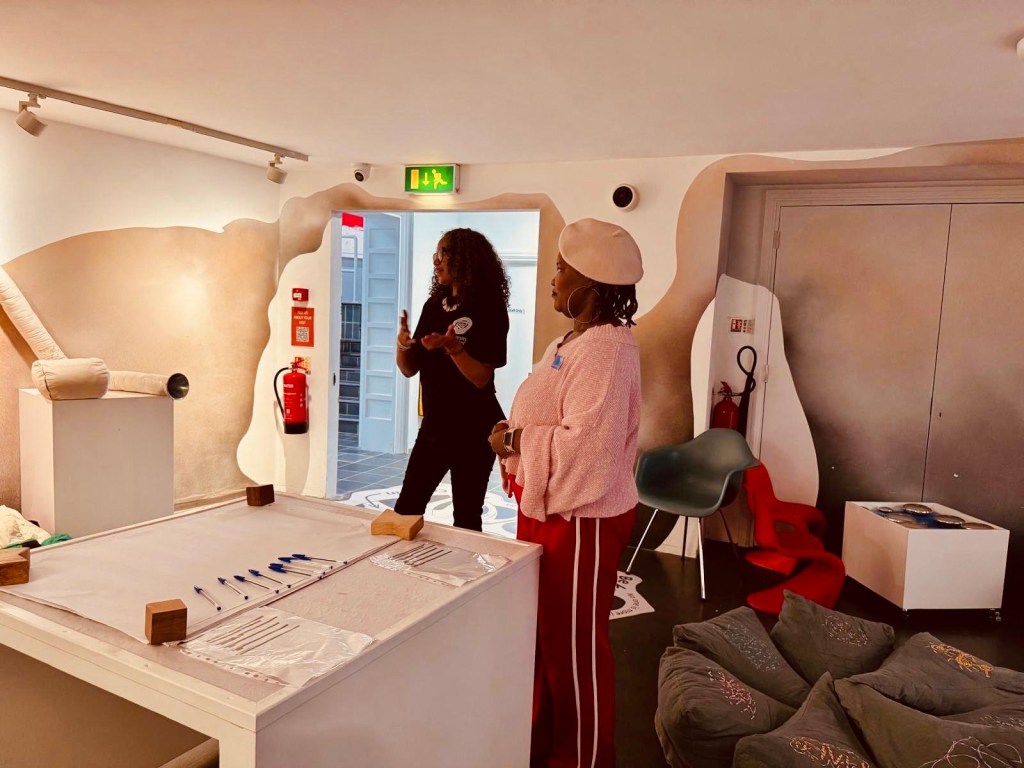
This past week has been a rich and inspiring for NERCOUTE: Creating Spaces of Belonging in NERC Science — one of the B-HUGs Butterfly Initiatives (BBIs). Our focus for this initiative is about opportunity – opportunity for representation and engagement. What we experienced in St Ives and Exeter has shown us just how powerful it is when parents and communities are part of that journey.
On Saturday 27th September, our team attended a community gathering hosted by Kowetha at Tate St Ives. It was a wonderful opportunity to introduce the NERCOUTE BBI to parents and guardians; the very people who play such a central role in shaping their children’s educational pathways. We had conversations while assembling a paper mache sculpture alongside the kids following prompts by artist Josie KO. As one parent asked us beforehand “what can be done to support my child in finding a route into science?” That simple but powerful question reminds us why we are here.

During the session, Safi and Melody introduced the project, supported by Emmanuel (one of our interns) and myself. Time was short, but the conversations were meaningful. We left holding onto our commitment: parents and guardians must remain central in this work. Their hopes, aspirations, and questions will help shape how we engage the next generation with sciences related to understanding the natural environment.
Another key reflection was that our project cannot only reach children through schools. While our current model starts with partner schools, we met families whose children are in schools outside our programme. They too want access to mentorship, career guidance, and opportunities. Going forward, we are opening up our approach so that parents can connect with us directly, ensuring that no child is left out simply because of where they study.
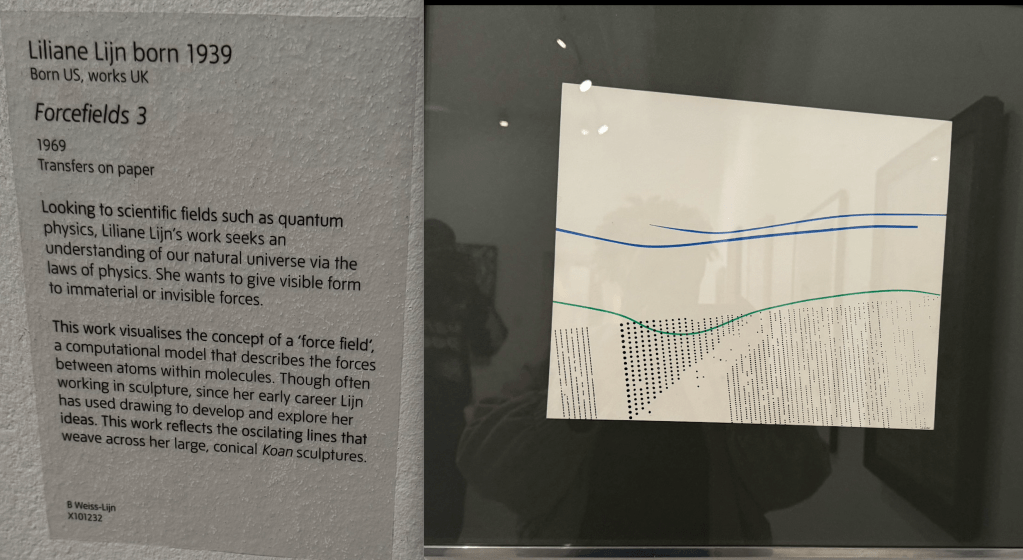
What stood out was the appetite for partnership. Kowetha parents suggested radio interviews to spread the word further, and Tate St Ives staff welcomed the idea of future visits with our student cohort. It was also refreshing to see art and science intersect. Liliane Lijn’s Forcefields 3 sparked conversations about physics, creativity, and the ways young people might imagine their futures differently.
On the same day, we also joined the Inspiring Women’s Network Conference 2025 at the University of Exeter Penryn Campus. Once again, the message was clear: networks matter. We connected with women of colour whose children fall within our target group, and with programmes already working with young people of colour in schools. It was encouraging to hear the CEO say: “I’ve heard about your project, we should talk.” The word is spreading, and that’s a powerful sign of momentum.
Looking back, this week reaffirmed what we’ve believed from the start: parents are not just supporters, they are co-pilots in their children’s journeys into science. This BBI is growing organically through schools, families, and community networks, but always with the same purpose: empowering Black heritage children to see themselves in spaces where they are underrepresented, particularly in the sciences.
We’re excited for what’s ahead for the Cornwall strand of work, whether it’s future field trips to Tate St Ives and the Eden Project, or collaborations with inspiring community networks. Each step brings us closer to building lasting pathways of belonging.
 B-HUGs a social change project
Leave a comment